





6 signs your building may be at risk of collapse
Recurring cases of building collapse have continued to raise concerns about the safety of residential and commercial buildings.
In June, about nine people, including a baby, were killed, while 27 others were rescued after a three-storey building collapsed in the Alakija area of Lagos State, adding to the growing list of such tragedies recorded across the country.
However, experts say most building collapses do not occur without warning signs.
Although only qualified professionals can determine whether a structure is safe, recognising early signs of structural distress and taking prompt action could help prevent the loss of lives and property.
Here are six warning signs that may indicate a building is at risk of collapse.
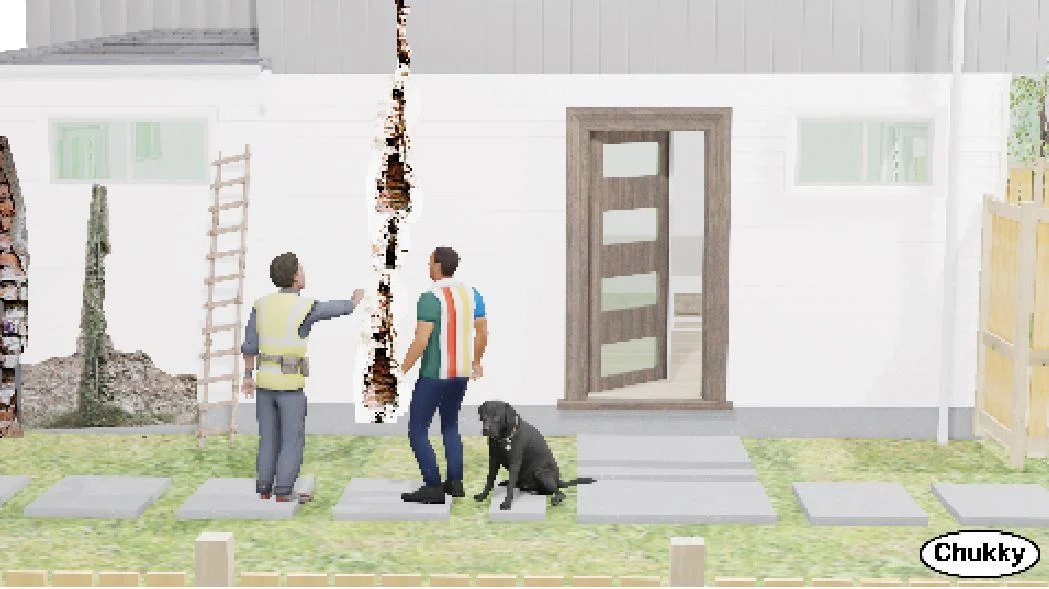
Widening or reappearing structural cracks
Widening or reappearing structural cracks are cracks in a building that either become larger over time or return after they have been repaired.
According to the former Public Relations Officer of the Nigerian Institute of Building, Godfrey Godfrey, not every crack means a building is unsafe. Hairline cracks are often cosmetic and may result from temperature changes or humidity.
However, cracks that keep reappearing after repairs, become wider, or appear diagonally at about a 45-degree angle may indicate structural failure affecting the foundation, beams, slabs, or columns.
Similarly, the General Secretary of the Nigerian Institute of Quantity Surveyors, Azeez Ayodabo, warned that structural cracks and separating walls are strong indicators that a building’s structural integrity may have been compromised and should be professionally assessed.
Tilting or uneven settlement
Tilting or uneven settlement is a condition in which a building no longer rests evenly on its foundation because one part of the foundation sinks or settles more than another.
According to the experts, it is normal for buildings to settle over time, but the settlement should occur evenly.
While Godfrey said occupants should be concerned if a building begins to tilt to one side or appears to be sinking, Ayodabo explained that uneven settlement is a major warning sign because it places unequal pressure on the structure, often leading to cracks and increasing the risk of collapse.
Bulging columns, walls, or crumbling concrete
These are visible signs that parts of a building’s structure may be weakening or deteriorating.
A bulging column or wall occurs when a column or wall begins to swell, bow outward, or appear distorted instead of remaining straight. Crumbling concrete, also known as spalling, occurs when the surface of concrete begins to crack or break away, sometimes exposing the steel reinforcement inside.
Godfrey advised residents to watch out for buckling, where columns or walls appear swollen, bulged, or expanded. He noted that the failure of a column is particularly dangerous because it often gives fewer warning signs before collapse.
He also warned that spalling, where pieces of concrete or blocks begin to break away from a wall, indicates that a building may already be at the point of collapse and should be evacuated immediately.
Gaps in tiles, walls, or structural elements
This occurs when floor or wall tiles that were previously tightly joined begin to separate or the gaps between them widen.
According to Godfrey, widening gaps between floor or wall tiles may suggest structural movement within the building.
Similarly, Ayodabo said separation between structural elements and cracks extending into floors are warning signs that should not be ignored because they may indicate that the building’s structural integrity is deteriorating.
Doors and windows no longer close properly
Ayodabo said doors and windows that suddenly become difficult to open or close may be more than a maintenance issue.
When they become misaligned without any obvious reason, it could indicate that the building is shifting due to uneven settlement or structural movement.
Although this alone does not confirm an impending collapse, he said it should prompt further investigation by qualified professionals.
Visible cracks on columns or buildings under construction
The experts advised that buildings under construction should also be closely monitored.
Godfrey said cracks appearing on newly constructed walls, as well as noticeable tilting or sinking during construction, are serious warning signs that require immediate structural assessment.
Ayodabo added that visible cracks on structural columns, which may result from inadequate concrete cover or other construction defects, should never be ignored because columns are critical load-bearing elements.
What should be done?
The experts advised residents not to ignore any of these warning signs.
Godfrey said persistent structural cracks, bulging columns, tilting buildings, or spalling concrete require immediate professional attention.
Ayodabo urged occupants to promptly report suspected structural defects to the property owner, engage a competent structural or building engineer to carry out an inspection, and notify the appropriate building control authority.
In Lagos, residents can also report suspected distressed buildings to the Lagos State Building Control Agency for a structural integrity assessment.
The experts stressed that while these signs do not automatically mean a building is about to collapse, early professional intervention can prevent disasters and save lives.
All rights reserved. This material, and other digital content on this website, may not be reproduced, published, broadcast, rewritten or redistributed in whole or in part without prior express written permission from PUNCH.
Contact: [email protected]
Stay informed and ahead of the curve! Follow The Punch Newspaper on WhatsApp for real-time updates, breaking news, and exclusive content. Don’t miss a headline – join now!
Stay in the know—fast. Get instant alerts, breaking headlines, and exclusive stories with the Punch News App. Download now and never miss a beat.
Source: Punch Newspapers – Latest News